




Nanospray-targeted products
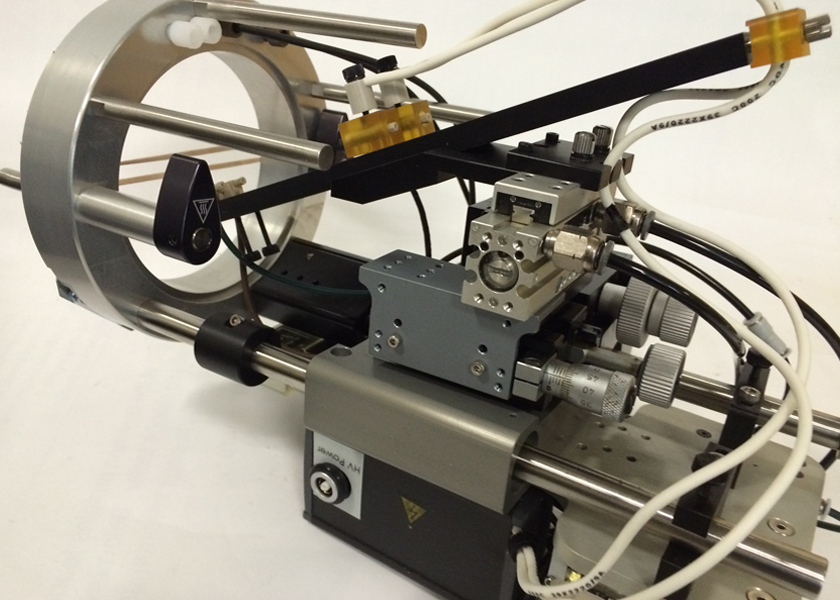
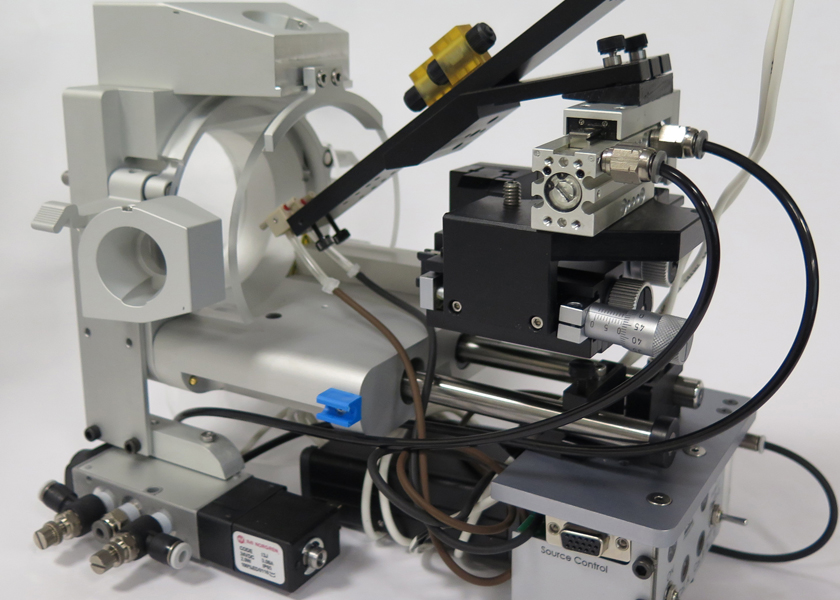
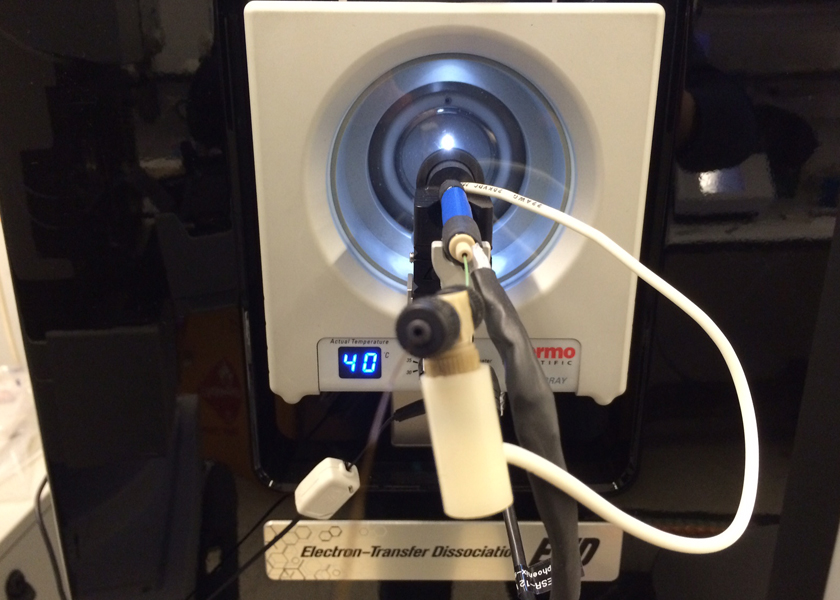
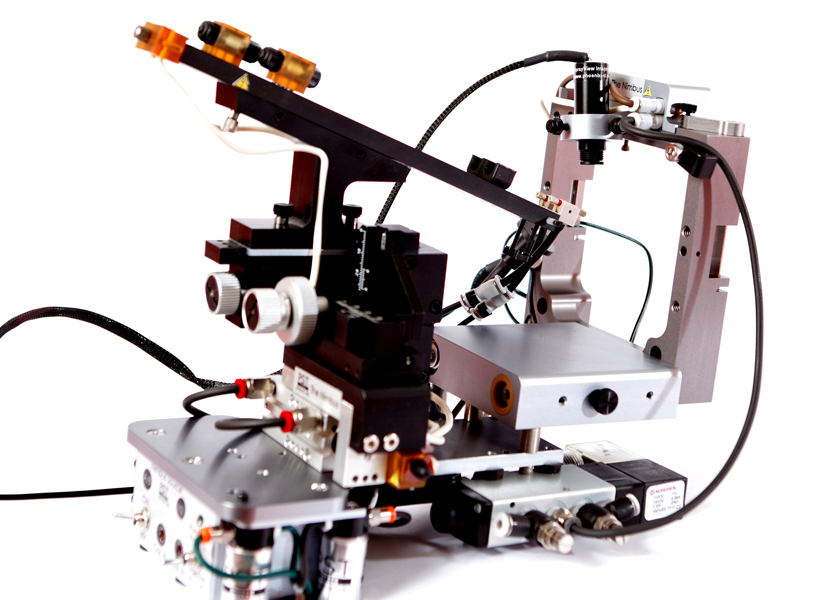
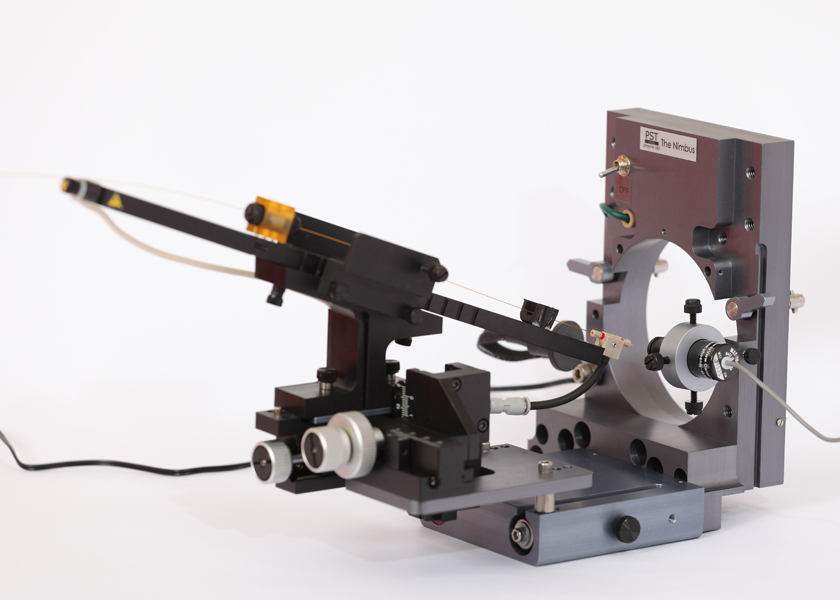
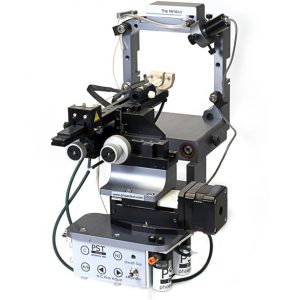
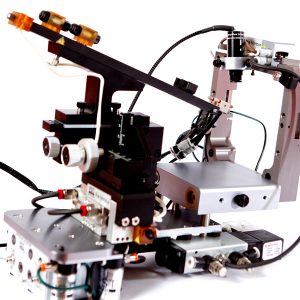
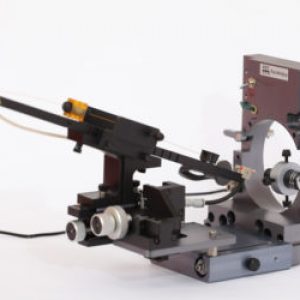
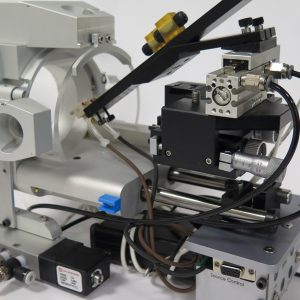
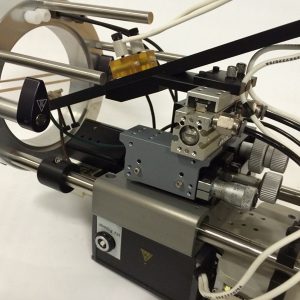
Phoenix S&T’s dual-column Nimbus (motorized) and pneu-Nimbus (pneumatic) sources…

Phoenix S&T’s dual-column Nimbus (motorized) and pneu-Nimbus (pneumatic) sources…

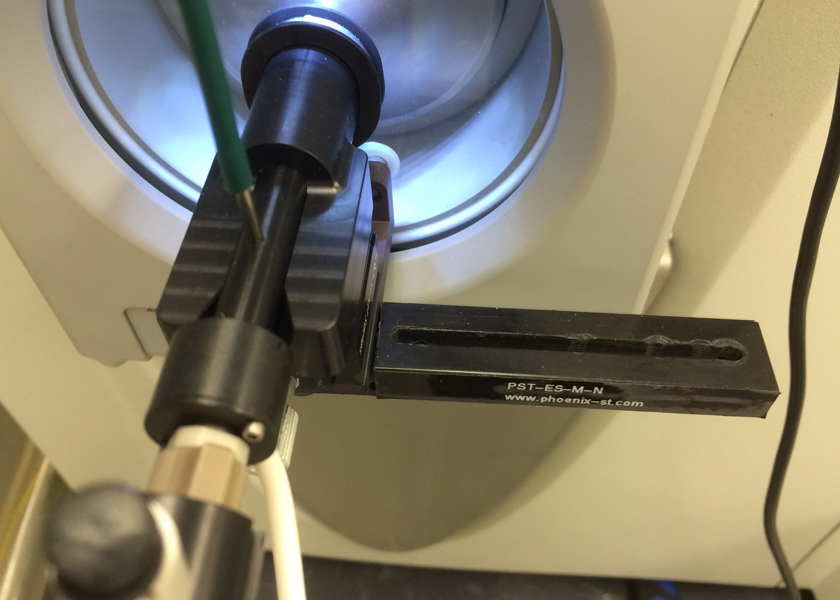
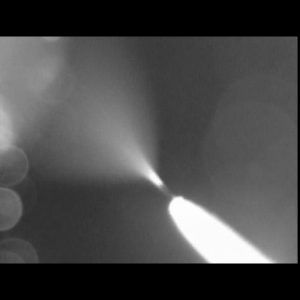
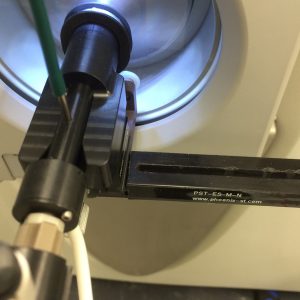
The PST-mTips (patent-pending) provide the superb sensitivity of nanospray while…

All our products on the markets have been developed because customers have asked for…
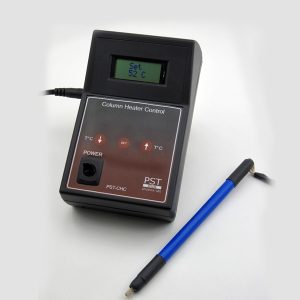
See our latest innovations in robust, non-clogging nanospray emitters.
Contact us for questions or quote!
Toggle content goes here, click edit button to change this text.

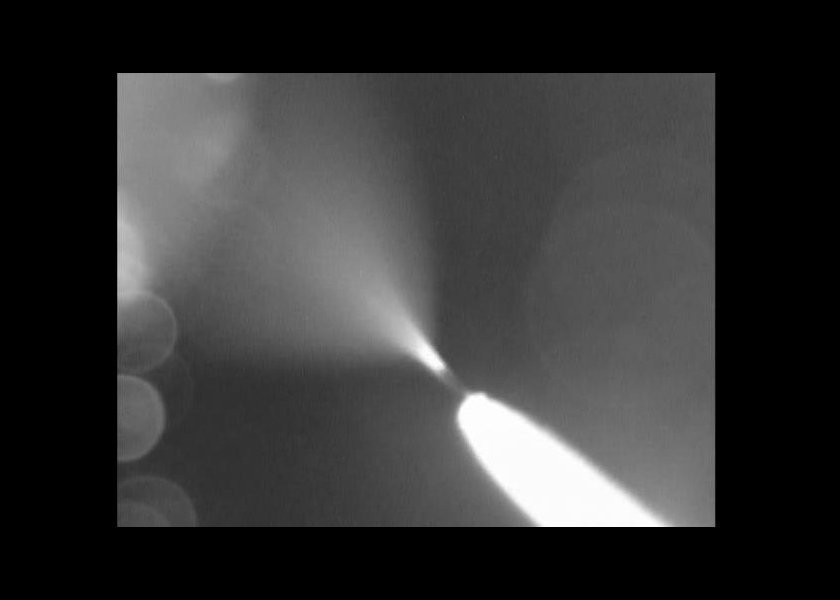
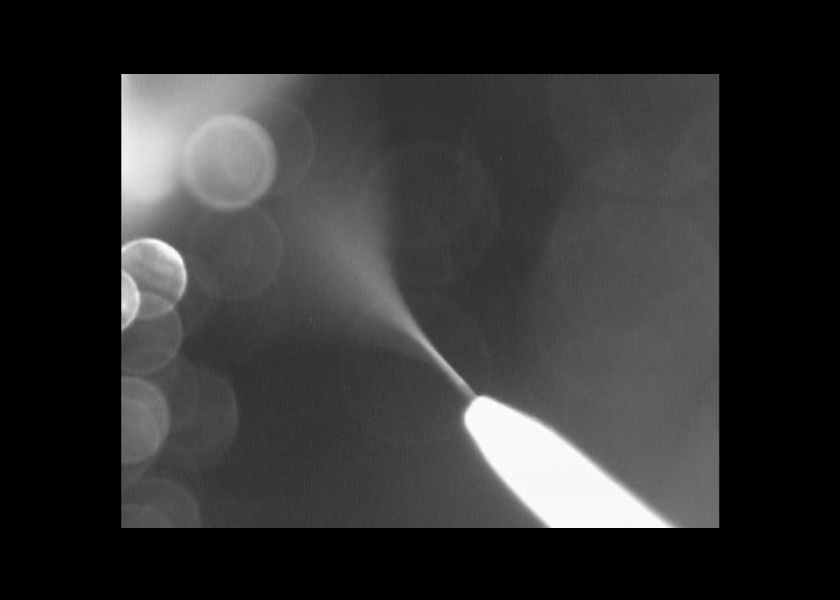
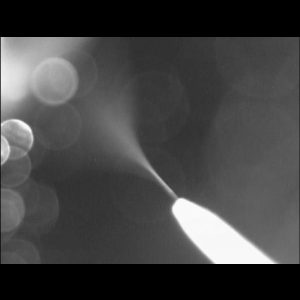
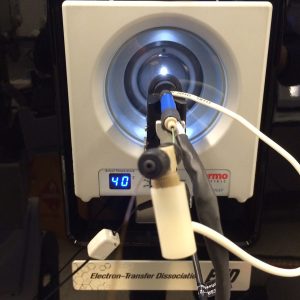
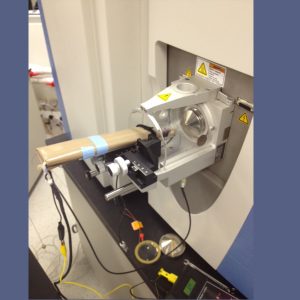
Watch Now: Installation video of a Nimbus dual-column source on an OrbiTrap MS; Butterfly Heater at the ETH, Zurich; Cone-jet mode spray at 160 uL/min; Plastic nozzle spray and Dual-column spray operation

View or download our product brochures here.

See the latest results in poster or app note formats. ASMSPoster2017_microspray with PST-mTip MicroSpray_09292017 positve and negative sprays fatty acids and lipids
“I recently have some time and continue to evaluate the MicroSpray..it works really well for both positive and negative ion. My associates are also impressed with the sensitivity….”

“My columns have had consistent spray for nearly four months now. The offline column washing without HV, sample loading, and nitrogen purge have significantly improved the reproducibility of the nanospray for my columns. I was generally cleaning the column tip once every week, now I've only had to clean the column tips once in the past four months. I am also raving about the through-put we are able to achieve with the dual-column setup (literally like having two instruments). I'm very impressed by the responsiveness of Phoenix S&T. It is truly wonderful to work with such a great company.”
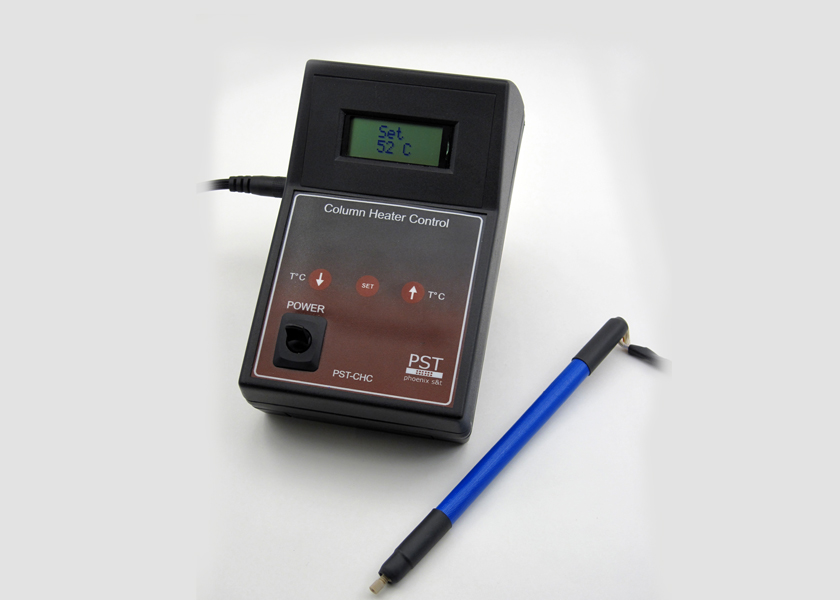
“The automated dual-column source has in effect added an extra OrbiTrap and nanoflow pump to my lab without extra space and maintenance, and the column heater has allowed us to run analyses on 29 cm long Halo columns without a uPLC. This has represented a huge cost savings for the lab.”
“I'm very satisfied those (eFrit) columns. Resin was very efficiently packed without any stopping”